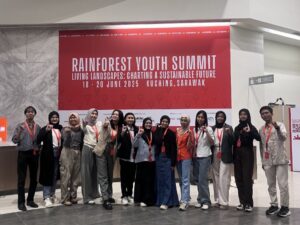

Rainforest Youth Summit 2025
18-20th of June 2025 | Kuching, Sarawak, Malaysia
Delegation report
I. Summary of the event
The Rainforest Youth Summit 2025 is an annual international summit initiated by the Ministry of Tourism Malaysia to provide youth around the world to learn about the sustainable development of rainforest, using Sarawak as the live laboratory from 2024. The event invites diverse facilitators around the world who have done amazing grassroots work to help combating climate change through 5 thematic key issues which are biodiversity & ecosystem preservation, rainforest wisdom & insight, sustainable development, youth advocacy & activism, and climate adaptation. The summit provides 5 thematic key issues which the knowledge transmitted through workshop, roundtable thematic discussion, and plenary sessions. The event honored the event held in ancestral lands belonging to people of Sarawak , including Iban, Orang Ulu, Bidayuh, and Malay communities.
The International Forestry Students’ Association on its first partnership with Rainforest Youth Summits 2025 have been engaged as a delegate and volunteers during the day event. The role provided the delegates to get a reality check of how an event is
being held and how to shape a better world through livelihood and jurisdictional approach. In that same spirit, several new networks along the event enriched IFSA future partnership or collaboration.
II. Delegation
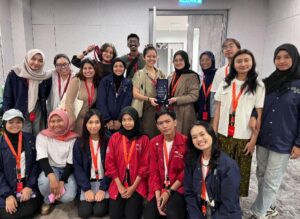
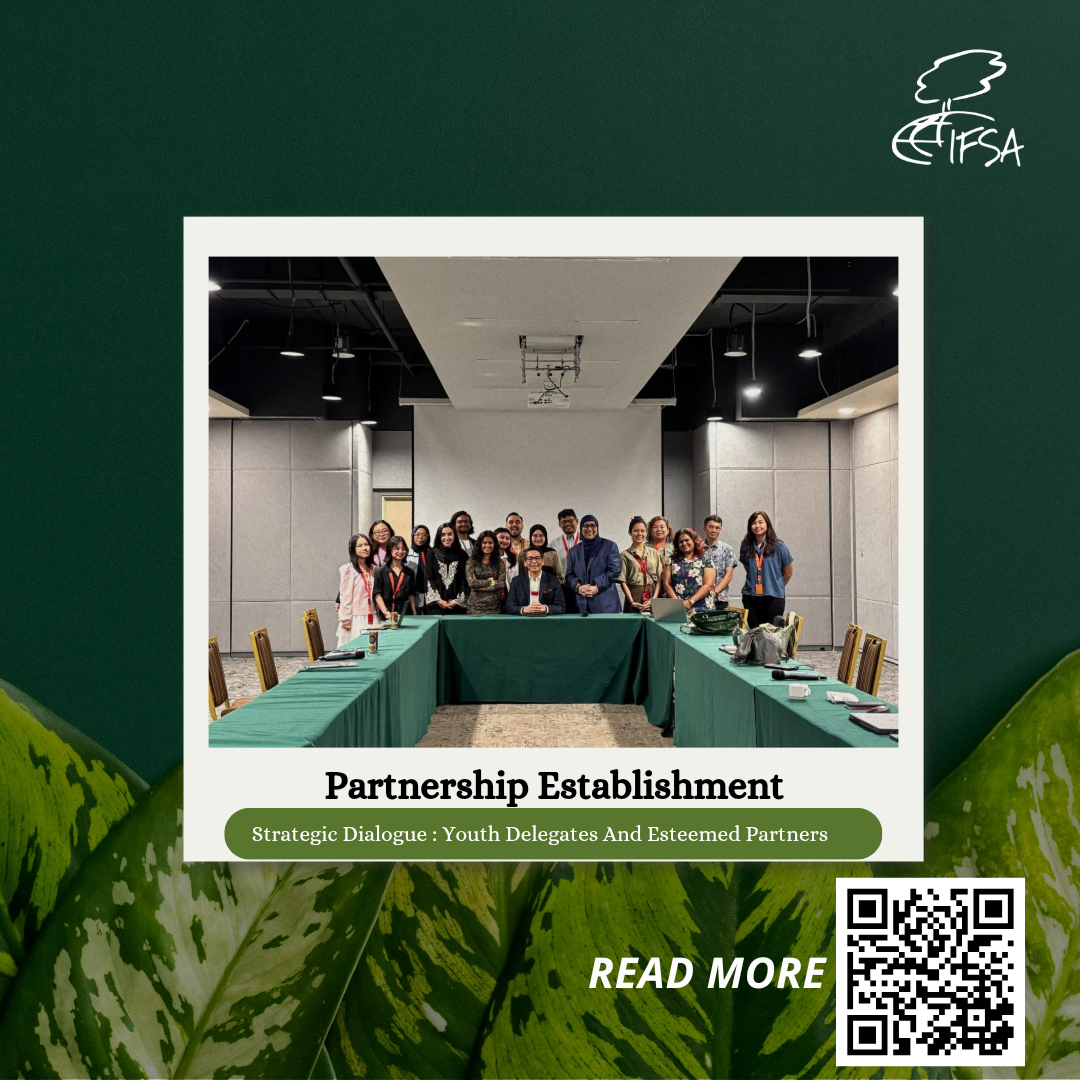
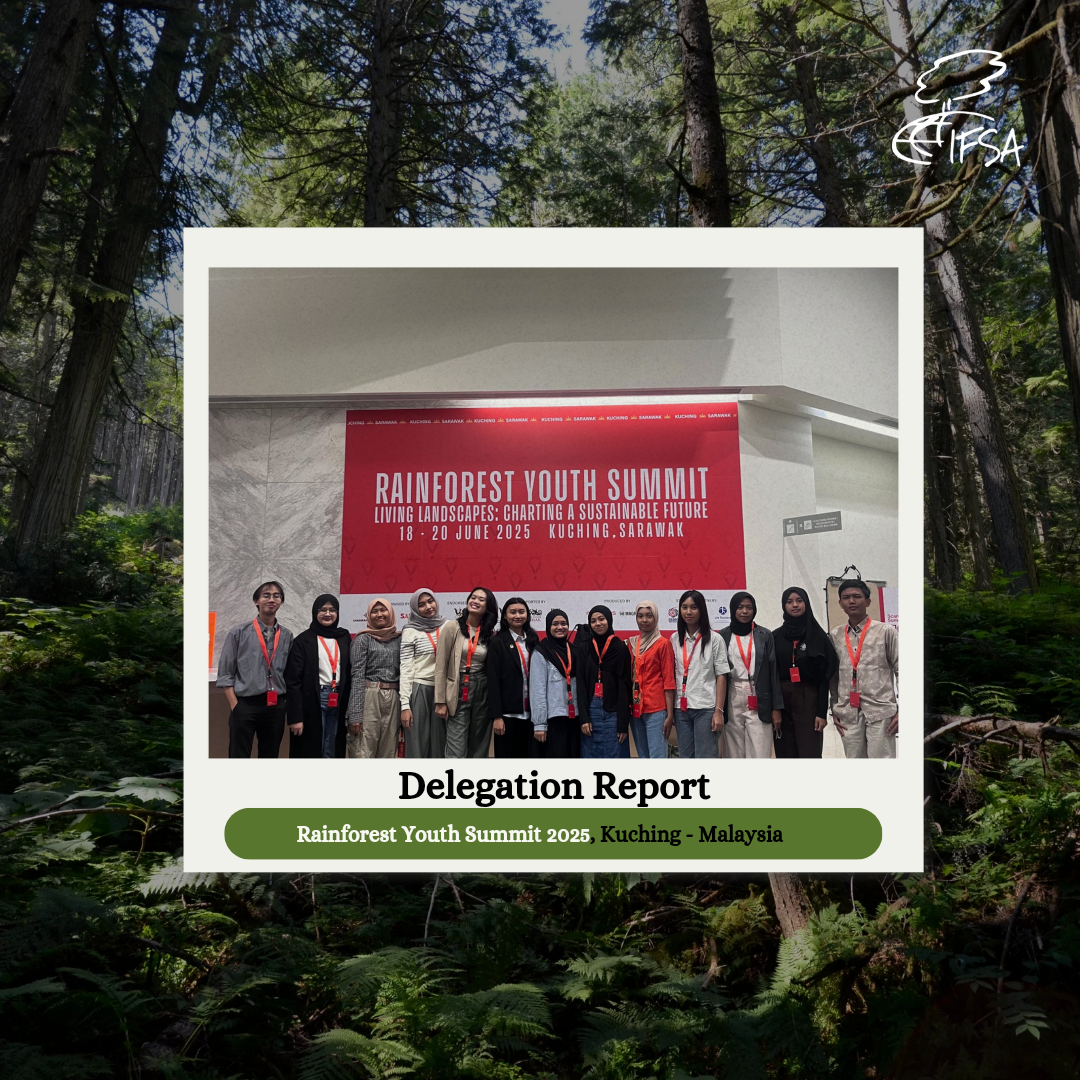
A delegation of 13 representatives from IFSA and IFSA LC attended the Rainforest Youth Summit 2025. Delegates participation played a key role in involving IFSA & perspective throughout the discussions. Details of the delegation:
| Name | Position | Local Committee | Region | Gender | Level of Study |
| Rayvanda Walyafi | Head of Delegation | IFSA LC IPB | Asia-Pacific | Male | Undergraduate |
| Dee Alexandra Madina | Vice Head of Delegation |
IFSA LC UGM | Asia-Pacific | Female | Undergraduate |
| Wening Ila Idzatilangi | Publication Team | IFSA | Asia-Pacific | Female | Undergraduate |
| Canakya Galerita | Publication Team | IFSA LC IPB | Asia-Pacific | Female | Undergraduate |
| Intan Nur Rahmadhanti | Publication Team | IFSA LC IPB | Asia-Pacific | Female | Undergraduate |
| Annisa Nur Fadillah | Design & Social Media Team |
IFSA LC IPB | Asia-Pacific | Female | Undergraduate |
| Tiara Ulfa Agiki | Design & Social Media Team |
IFSA LC IPB | Asia-Pacific | Female | Undergraduate |
| Ramadaniasakina Tsuzuki |
Design & Social Media Team |
IFSA LC IPB | Asia-Pacific | Female | Undergraduate |
| Nayma Rihanna Jasmine | Note Taker | IFSA LC IPB | Asia-Pacific | Female | Undergraduate |
| Rohman Juleo Pratama | Note Taker | IFSA LC UGM | Asia-Pacific | Male | Undergraduate |
| Faiha Azka Azzahira | Advisory Member | IFSA | Asia-Pacific | Female | Bachelor Degree |
| Fiana Eka Aprilia | Advisory Member | IFSA | Asia-Pacific | Female | Bachelor Degree |
| Nilo Wijaya | Advisory Member | IFSA | Asia-Pacific | Female | Undergraduate |
In terms of distribution, IFSA LC IPB contributes approximately 53.85% of the delegates, while IFSA LC UGM contributes about 15.38%. The remaining 30.77% are representatives from IFSA Officials. In terms of gender distribution, the delegates were predominantly female, with 84.62% female delegates, and the remaining 15.38% are male delegates.
III. Delegates Contribution
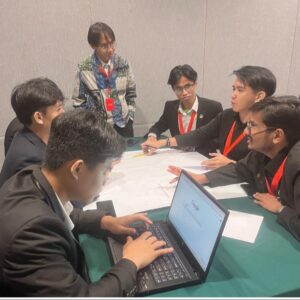
Delegates contributing as volunteers who assist the RAYS organizing committee in workshops and plenary sessions. The primary role is as a rapporteur, taking detailed notes to summarize key points and provide resumes of each session. This meant the delegates carefully listened and took detailed notes, capturing the key ideas, discussions, and outcomes of each session. The summaries and notes created were a huge help to the committee, providing a clear and accurate record of the event and making sure all important information was saved.
IV. The Summit: 5 Key Thematic Messages
Sustainable Development
Sustainable development was one of the thematic themes throughout the workshop, emphasizing the need to balance environmental care, social inclusion, and economic well-being. Through activities like system mapping and the “Design Your Destination” simulation, delegates explored how thoughtful planning and empathy can create tourism models that regenerate both ecosystems and communities. By linking the Sustainable Development Goals (SDGs) with Inner Development Goals (IDGs), the workshop stressed that lasting change begins with personal awareness and shared responsibility.
Real-life examples, such as Pulihara’s conservation work and the Wang Kelian tourism revival, showed how grassroots initiatives can support sustainable development in Malaysia. Youth-led campaigns like Sang Kancil and the Gems of Malaysia competition highlighted the role of creativity and collaboration in driving positive change. The key message was clear: sustainable development doesn’t require perfection, but consistent, inclusive efforts rooted in strong relationships and local knowledge.
In the plenary, Dr. Sharzede (CEO of Sarawak Tourism) emphasized the need for inclusive, responsible tourism that connects people to nature and values, using small actions and strong messaging to drive change. Diwigdi shared how tourism empowered their marginalized community in Panama, highlighting the value of people, nature, and collaboration. They stressed that mindset shifts take time and that healthy, supported communities are key to meaningful tourism. Despite struggling with climate depression, Diwigdi (Member of the Guna Indigenous Peoples) encouraged collective action and reached out for support.
Youth Advocacy and Activism
As the climate crisis deepens, so too does a collective sense of anxiety—especially among the youth who will inherit its most severe consequences. RAYS 2025 acknowledges and honors anxiety, and tries to transform it into a catalyst for connection, creativity, and courageous action. The program opened by confronting climate anxiety head-on. Facilitators invited delegates into a space of vulnerability, where fear for the planet’s future was not dismissed but seen as a natural and even necessary response to ecological destruction. It became clear that this anxiety could be a source of strength, if channeled toward action. Mitzi (Youth Advocates for Climate Action Philippines), one of the session leads, emphasized the urgency to act now, not just by pushing policy or marching in protest, but through cultivating everyday care for the ecosystems and strengthening our connection with nature.
In that same spirit, reconnection with nature came from Syafiq Affizuddin (Project Executive at Restoration), who shared his journey from drug addiction to recovery through nature-based rehabilitation. At a government rehabilitation center in Malaysia, Syafiq was given responsibility for a chili farm. What began as a task became a turning point: tending to plants required patience, consistency, and hope, values he began to internalize. Yet reconnecting with nature was not enough on its own. The next step was learning to reclaim and use one’s voice. In a session led by Tashi, delegates explored storytelling as advocacy, writing personal reflections on how climate change had touched their lives and how they hoped to respond. These stories, grounded in emotion and experience, became more than testimony. In sharing them, delegates began to see their lived realities, no matter how localized or modest.
Another approach introduced by Izzy Sasada (Producer of Earthrise Studio) is through storytelling through zine, self-published, low-cost booklets historically used by marginalized communities to express political and personal truths. Through zine-making, youth found a
tangible way to advocate for climate justice in their own words, with their own designs, and in their own terms. The final session brought these threads together through digital creativity. They learned that effective climate communication requires both creativity and strategy. Delegates crafted bold hooks, structured scripts, and learned to edit videos with music, captions, and visuals, all aimed at transforming complex issues into accessible, emotionally resonant content that could thrive on digital platforms. Amid these discussions, one simple but profound question echoed throughout the sessions: “What can you do today?”, a reminder posed to delegates to reflect on their personal responsibility in the face of the environmental crisis. It encapsulated the core message of the entire program: that action, no matter how small, is meaningful when rooted in care and intention.
Taken together, the sessions formed a cohesive and inspiring narrative. What began as an acknowledgment of fear evolved into a rediscovery of connection with nature, with community, and with self. Youth delegates were not just taught to cope with the climate crisis, they were equipped to respond with stories, zines, and compelling digital media. They left not only with tools, but with a shared sense of purpose, to turn anxiety into advocacy, isolation into community, and creativity into leadership. These experiences reminded us that leadership does not require titles or perfection, it begins when we speak, create, and collaborate with purpose. Rooted in care, driven by justice, and nurtured by
imagination, these youth-led efforts offered a powerful vision of what climate advocacy can look like: bold, personal, and profoundly human.
Biodiversity and Ecosystem Preservation
Delegates explored Singapore’s unique coastal and marine ecosystems engineering which highlighted both biological diversity and land use strategies. The speaker emphasized the increasing challenges posed by land reclamation and shrinking intertidal habitats. Delegates learned about biodiversity conservation efforts in heavily urbanised coastal regions, with specific attention to Singapore’s polder development, use of plastic waste in reclamation, and the & Long Island Project & Key marine organisms showcased included echinoderms, sea urchins, hermit crabs, noble volutes, and cuttlefish. The session blended scientific insights with local context and sustainable solutions.
Climate Adaptation
Delegates learned about the story behind the “Cool the Globe” application from Prachi (Founder of Cool the Globe). She transforms her expertise on engineering into creating an app to valuing every action from individuals for helping combat climate change. The application records individual action and accumulates it to understand its impact on the global level.
Rainforest Wisdom and Insight
This session explores sustainable tourism strategies, challenges and opportunities and how tourism can be a force for good, fostering sustainability while protecting the unique cultural heritage and natural resources of regions like Panama and Sarawak, through a
future-focused model that balances economic growth with environmental and cultural preservation. Dr. Sharzede mentioned that Inclusivity and sustainability are important elements in tourism. Responsible and meaningful tourism is something that should be emphasized, where we make sure tourists and visitors understand the values of our land and people, learning and contributing towards sustainability. Dr. Sharzede pointed out that connection with people and nature is important. Having knowledge is one thing, but taking action is another thing. Small steps matter. Mindset change takes a long time, hence use the powerful tools to amplify the message. Be the bridge to share information.
Diwigdi shared that their experience in tourism started when they were just 7 years old, where they earned income by just bringing people around. People should be able to experience what life is when in contact with nature, and tourism is helping their own marginalized community in Panama. They also highlighted that national assets (nature) are as valuable as the “gold” used in luxurious tourism. People, community, and nature are made out of gold – they are valuable and all interconnected. The conventional mindset of tourism (visiting luxurious places) is opposing the new concept of tourism (nature and community focused), but they realised that tourists want to focus more on and experience the new tourism. Hence it is crucial to ensure that the communities are healthy and have access to basic necessities, so that they can show tourists around. Collaboration requires building relationships with different stakeholders (community, scientists, youth and elderly, entrepreneurs, etc.) and this takes time.
At the end of the session, Diwigdi (Senior Manager at Wildlife Conservation Society) also shared their personal stories about climate depression, where he almost lost hope in the future of the Panama Islands but continued to persist to make a difference within his
community and nation. He emphasized that we are not alone in finding solutions to the problems that we are all facing together, and it important to reach out whenever needed. The session started with the introduction of participants by expressing the weather inside
of them (sunny, raining, cloudy, warm etc.). The participants were asked to write 3 things about them. Participants were free to write about themselves in 4 minutes about their individual journey (curiosity, belief etc.). The purpose of this exercise is for them to identify their emotion and how kind they have been to themselves. The participants then were grouped in 6 to share about themselves, their journey, dream, childhood, life lessons. Everyone should feel safe to share and listen to others. Participants were recommended to share their thoughts on the Wall of human stories.
RAYS – Takeaway Learning Conclusion
In conclusion, to create such a safe space and reach equity on restoring the land while respecting IPLCs, five sub themes of RAYS play a pivotal role with its own portion. The current global leaders shall work as forefront teams by enabling knowledge transmission and implementation of sustainable development, climate adaptation and biodiversity & ecosystem preservation. Hereby, all policies must involve the IPLCs on managing the earth resources to reach the three points mentioned before and preserving the culture being inherited across generations in the landscape. Last point, such an advocacy and involvement of youth are important to make sure if the development being held today will be continued sustainability as the youth have enough knowledge resources to continue.
Rainforest Music World Festival
As part of the RAYS, delegates attended a one night entering the Rainforest Music Festival. The Festival has been actively held from 1998 until today, bringing musicians and artists from all around the world. It provides a live museum for the delegates to understand the epistemic of the Iban, Dayak, and Bidayuh people through its house, tato, cuisine, braids, music, and dance. The festival also marked the end of the delegation activities.
Networking
| Name | Position | Contact | Description |
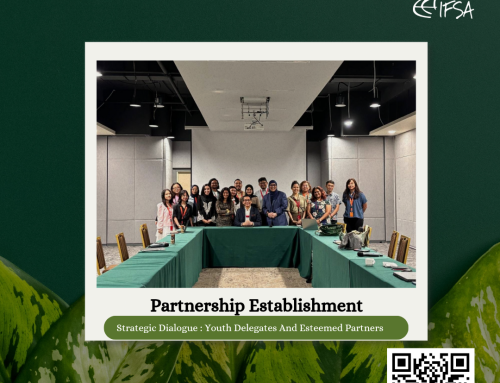
| Izzy Sasada | Producer of Earthrise Studio | izzysasada@gmail.com | Explored the possibility of inviting her as a speaker for an IFSA workshop on digital storytelling, and discussed potential media partnership to amplify IFSA’s environmental initiatives. |
| Mariam Ghani | Senior Programme Manager Habitat Foundation | mariam@habitatfoundation.org.my | |
| Erika Cuellar Soto |
Lecturer | e.soto@squ.edu.om | Explored the possibility of inviting her as a speaker for an IFSA workshop regarding indigenous community. |
| Diwigdi Diwi’ Valiente |
Co-founder Bodhihostels and Member of the Guna Indigenous people | Explored the possibility of inviting her as a speaker for an IFSA workshop regarding indigenous community. | |
| UNIMAS | University of Malaysia |
V. Indicator reporting
Summary of the goals and subgoals from the IFSA Strategy 2022-2026 were accomplished.
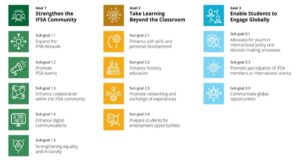
The IFSA delegation at RAYS 2025 made tangible progress across all three strategic goals. Under Goal 1, we expanded IFSA’s worldwide network (1.1) by connecting with youth organisations, professionals, and institutions across regions, while also initiating conversations around potential LC establishment in Malaysia. Internal collaboration was strengthened (1.3) through cross-LC coordination in planning, on-site tasks, and post-event follow-up. We improved IFSA’s visibility (1.4) through a live report series on Instagram and by producing a full delegation report for publication on IFSA’s official channels.
Under Goal 2, delegates took on active roles as facilitators in workshops, thematic tables, and plenary discussions (2.1), gaining hands-on experience in content delivery and youth engagement. Forestry education was enhanced (2.2) through participation in focused sessions on rainforest governance, youth advocacy, and indigenous knowledge. Networking was central (2.3), with consistent engagement between delegates and speakers, professionals, and fellow participants throughout the programme.
Under Goal 3, we were actively involved in over 20 workshop sessions, multiple thematic discussions, and plenary forums (3.1), positioning IFSA in key conversations on youth roles in forest and climate action. Our in-person presence as a 13-member delegation also directly supported the visibility of IFSA’s global participation and commitment (3.2). Throughout the summit, we shared opportunities and updates from our partners to broaden access and encourage collaboration (3.3).
VI. Outcomes
The tangible outcomes of this event are social media, published reports, and follow up partnership with the IFSS 2025 Indonesia. This partnership is also expected to foster continued engagement with IFSA through various potential opportunities such as internships, capacity-building sessions, and even IFSA ambassadorships for the Sarawak Tourism Board. This ensures the delegates' continued involvement in future RAYS, both as participants and as members of the organizing committee. Therefore, intangible outcomes such as lesson learned and delegation experience has been gained as an individual achievement of each delegate.
VII. Pictures